
Lessons from the Prevention & Wellness Academy of Ohio
As Mental Health Awareness Month comes to a close and schools across Ohio wrap up another academic year, it’s an important time to reflect on the critical role schools play in supporting student mental health and well-being.
For many students, schools provide more than education. They offer trusted relationships, emotional support, structure, and access to caring adults who can help students navigate challenges both inside and outside the classroom. From fall 2022 through spring 2025, Prevention Action Alliance, with support from the Anthem BlueCross and BlueShield Foundation, partnered with four Ohio school districts - Springfield City, Northeastern Local, Elgin Local, and Pleasant Local Schools - to pilot the Prevention & Wellness Academy of Ohio, a program designed to help schools integrate prevention and wellness into multi-tiered, sustainable frameworks.
The Academy provided training, resources, and ongoing guidance to school teams, equipping them to implement evidence-based prevention strategies, targeted interventions, and systems to collaborate with community partners. Now, with data from the OHYes survey, we can see how these efforts increased protective factors and influenced students’ decision-making.
Student Well-Being and Connection Improved
The data revealed encouraging gains in several areas connected to student mental health and resilience.
Participation in school activities increased from 71% to 74%, helping students build stronger connections to their peers and school communities. Students reporting they had an adult to talk to about their feelings also increased from 54% to 56%, reinforcing the importance of trusted adult relationships in supporting emotional well-being.
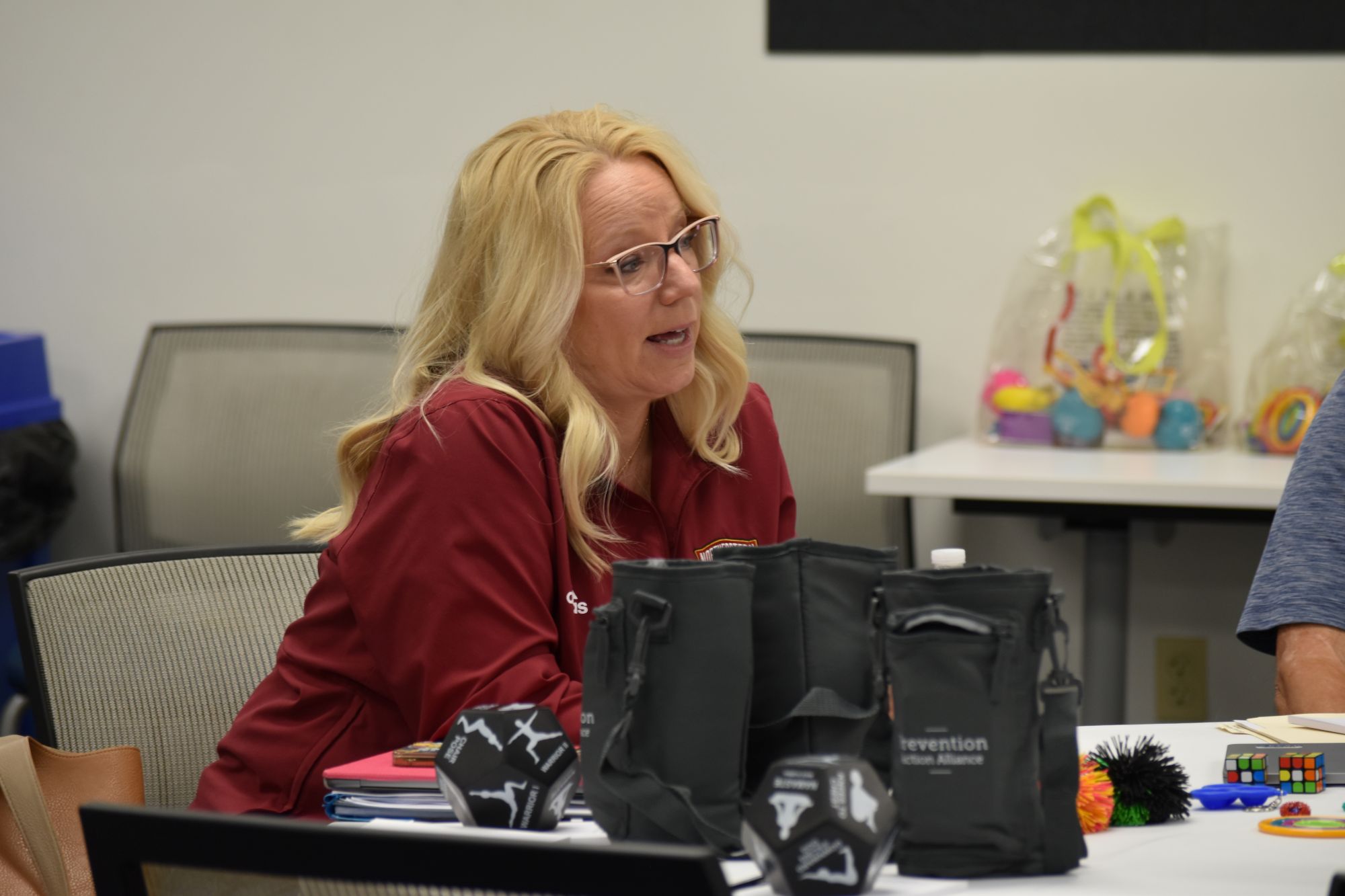
“We were able to start a few different programs, and I saw students directly applying what they learned — making healthy decisions and communicating about them. When you see and hear students using these skills, that is truly rewarding.”
Additional positive shifts included:
- A decrease in reported depression, from 21.4% to 19.4%
- An increase in students getting at least seven hours of sleep per night, from 57.9% to 63.2%
- Declines in reports of emotional abuse and household mental illness
Together, these trends point to improvements in the supportive environments surrounding students both at school and at home.
Strengthening Protective Factors Through School Support Systems
Protective factors are the conditions and supports that help buffer students from challenges and reduce the likelihood of harmful behaviors. These can include positive relationships with adults, school connectedness, healthy coping skills, and supportive environments.
Through the Prevention & Wellness Academy, participating districts worked to identify student needs, strengthen support systems, and create environments where students felt seen, supported, and connected.
“The Prevention & Wellness Academy allowed us to show our teachers the needs of our students and recognize the mental health concerns they are exhibiting. It allowed us to take a deep dive into what is causing these concerns, highlight them, and develop strategies and supports to address them.”

Protective factors are the conditions and supports that help buffer students from challenges and reduce the likelihood of harmful behaviors. These can include positive relationships with adults, school connectedness, healthy coping skills, and supportive environments.
Through the Prevention & Wellness Academy, participating districts worked to identify student needs, strengthen support systems, and create environments where students felt seen, supported, and connected.
The survey data also showed students developing stronger perceptions around the risks of substance use and stronger social norms discouraging use:
- Perceived moderate-to-great risk for heavy drinking increased by 5.7%, while peer disapproval rose 8.6%
- Perceived risk from vaping increased by 5.7%, with peer disapproval increasing 8.7%
- Perceived risk from marijuana use increased by 6.1%, with peer disapproval rising 7.1%
At the same time, students reported feeling more supported by adults:
- Students talking with adults about their feelings increased by 2.6%
- Students who felt they could go to adults at school for help increased by 2.6%
These findings reinforce an important truth: when students feel connected and supported, they are more likely to make healthy decisions and seek help when they need it.
Why This Work Matters
As the school year ends, these results serve as a reminder that schools are uniquely positioned to support student mental health long before a crisis occurs.
The Prevention & Wellness Academy demonstrates that multi-tiered, data-driven prevention strategies are effective. By helping schools strengthen protective factors and provide trusted support, students are better equipped to make healthy decisions and navigate challenges. While risk factors cannot be eliminated entirely, boosting protective factors is a proven strategy for reducing harm and fostering resilience.
Mental Health Awareness Month reminds us that supporting student mental health is not limited to one month or one program. It is an ongoing commitment that requires collaboration between schools, families, and communities year-round.
By continuing to invest in prevention and wellness initiatives, we can help ensure Ohio’s students finish the school year and move into the future healthier, safer, and more resilient.
Impact Video
Want to hear directly from participating schools and see the impact of the Prevention & Wellness Academy in action? Watch our impact video to learn more about how these efforts supported student well-being across Ohio.
Watch Video Here